Conservation & Cattle Farming
Working with nature. Farming for the future.
At Flintbeck, our passion for the land extends beyond our farm boundaries. We want to help build a future in which agriculture, wildlife and tourism support one another—and sustain the landscapes that make our part of the Magaliesberg so special.
For us, sustainability has two inseparable parts. Farming must generate enough income to remain viable, while protecting the natural resources on which its future depends.
Our approach brings cattle farming, wildlife management, tourism and hunting together in a system designed around local conditions. We call it the Halali method: an evolving approach to working with nature, developed by Christian Schlotfeldt in response to the challenges and opportunities of this area.
A distinctive landscape with demanding conditions
Along the southern slopes of the Magaliesberg lies a landscape of grassland, bush, hills and valleys. Within roughly an hour’s drive of Pretoria and Johannesburg, it offers remarkable scenery and natural diversity.
It is also a challenging place to farm.
To the north, the landscape gives way to the warmer bushveld. Further south, the Highveld opens into extensive grasslands and crop-growing areas. Our stretch of country has its own combination of conditions: limited water, a mixture of sweet and sour veld, dense bush, ticks and livestock diseases such as heartwater.
Making agriculture viable here requires an approach suited to the land.
The area has also largely escaped the extensive mining and intensive development seen elsewhere. Protecting that character means finding productive uses for the land that can support livelihoods while keeping its natural value intact.
Understanding how the veld has changed
Over generations, farming has changed the relationship between animals, vegetation and the land.
As livestock farming expanded, many wild grazers and browsers were removed or displaced. Predators were controlled, larger animals disappeared, and cattle became the dominant grazing animals on many properties.
The result was a much simpler system, with fewer species feeding on different plants and at different heights.
Fire management changed too. Preventing uncontrolled veld fires is essential to protecting people, animals and property, but it also changes a process that historically helped shape the landscape.
Together with past grazing practices and other pressures, these changes have contributed to bush encroachment in parts of our area. Formerly open patches of veld have become increasingly dense, reducing available grazing and making both livestock management and wildlife viewing more difficult.
We cannot recreate every historical condition. We can, however, use our understanding of those processes to guide how we manage the land today.
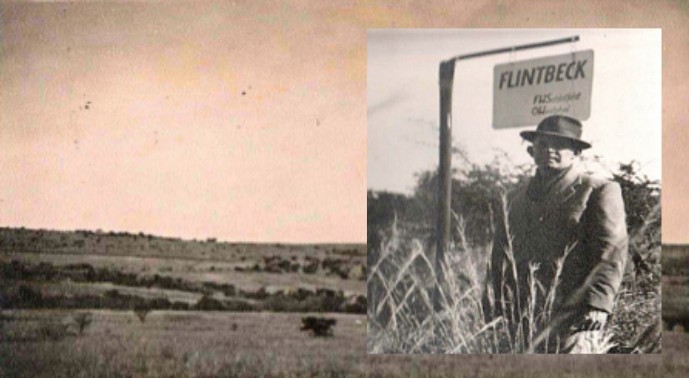
A historical view of the local landscape provides a reference for understanding changes in grassland and tree cover over time.
The Halali method: planned grazing, time to recover
The Halali method draws inspiration from the movement of large grazing herds.
In a migratory system, animals move through an area, graze it and then move on. Their departure gives the vegetation time to recover before the next period of grazing.
Modern farms operate within boundaries, roads and other infrastructure, so these movements must be managed. At Flintbeck, we use temporary electric fencing powered by mobile solar and battery energisers to guide cattle through smaller grazing areas.
The principle is straightforward: a short period of concentrated grazing, followed by sufficient recovery time.
Keeping the herd together helps us manage where and for how long the cattle graze. Moving them on gives previously grazed areas a chance to recover and reduces repeated grazing of preferred plants.
The aim is to make better use of the available veld while supporting healthier grass cover and improving its condition over time. Grazing periods and recovery times must respond to the season, rainfall and the condition of the land.
Cattle and wildlife, with complementary roles
Cattle are one part of the system.
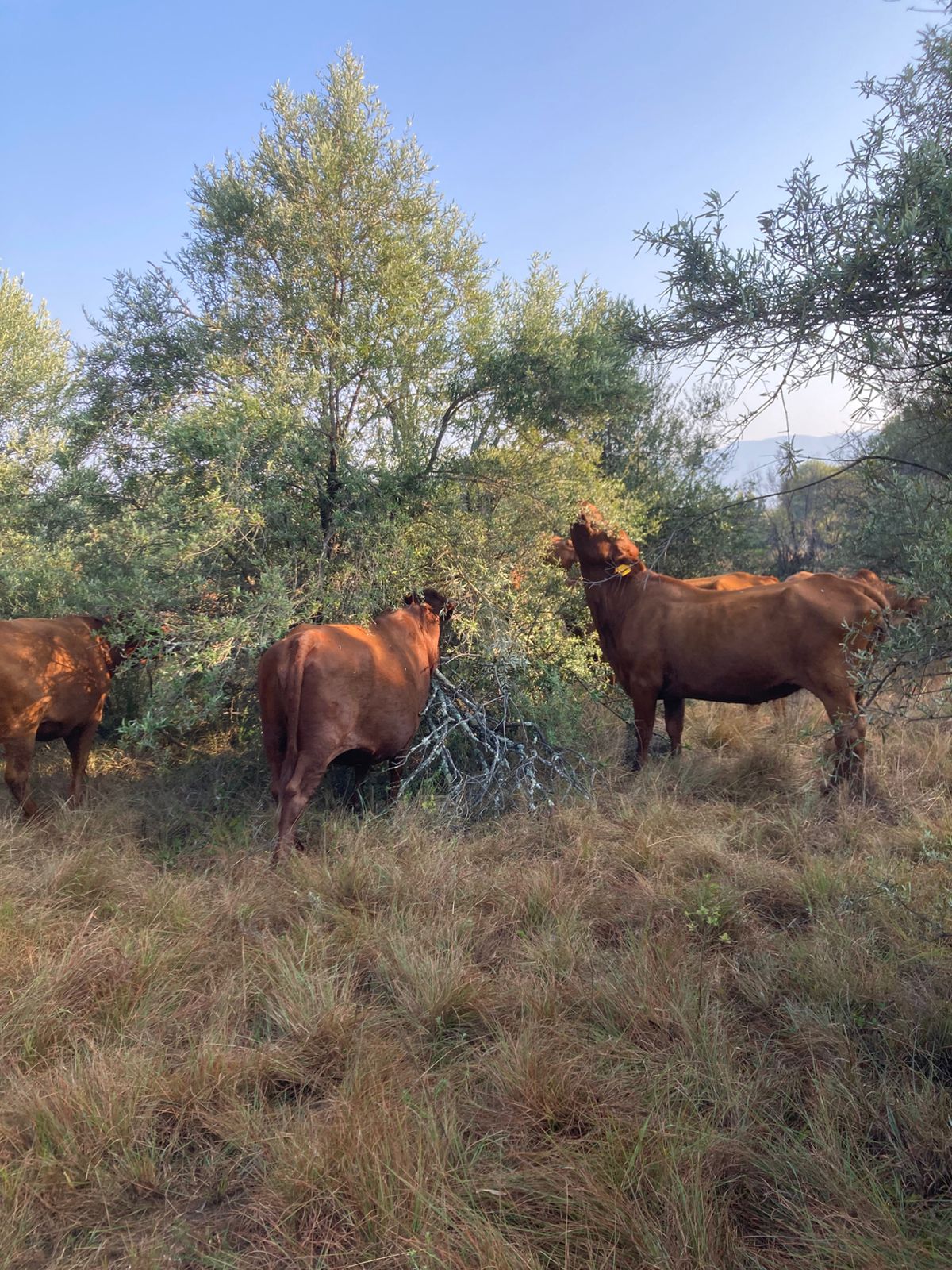
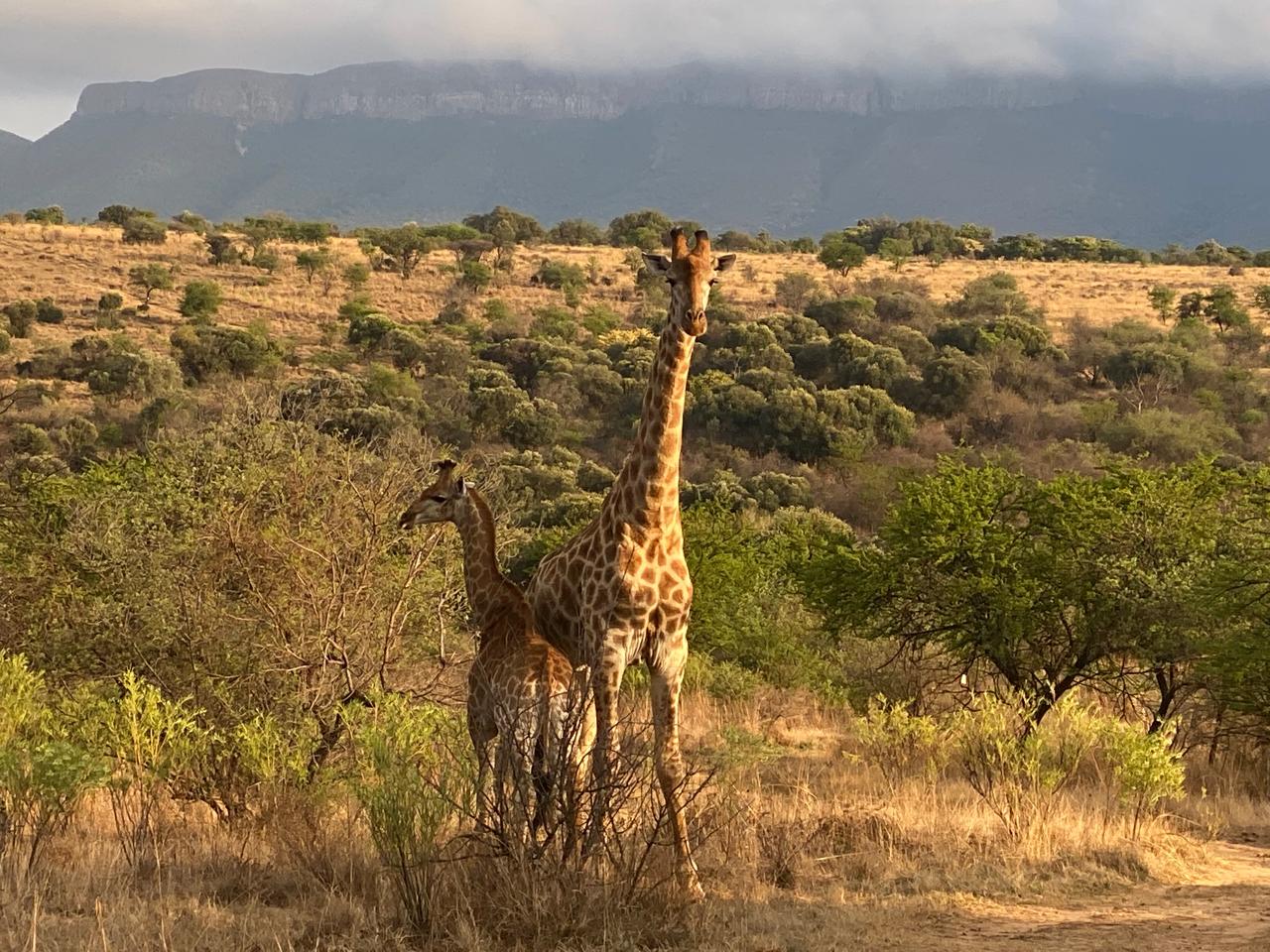
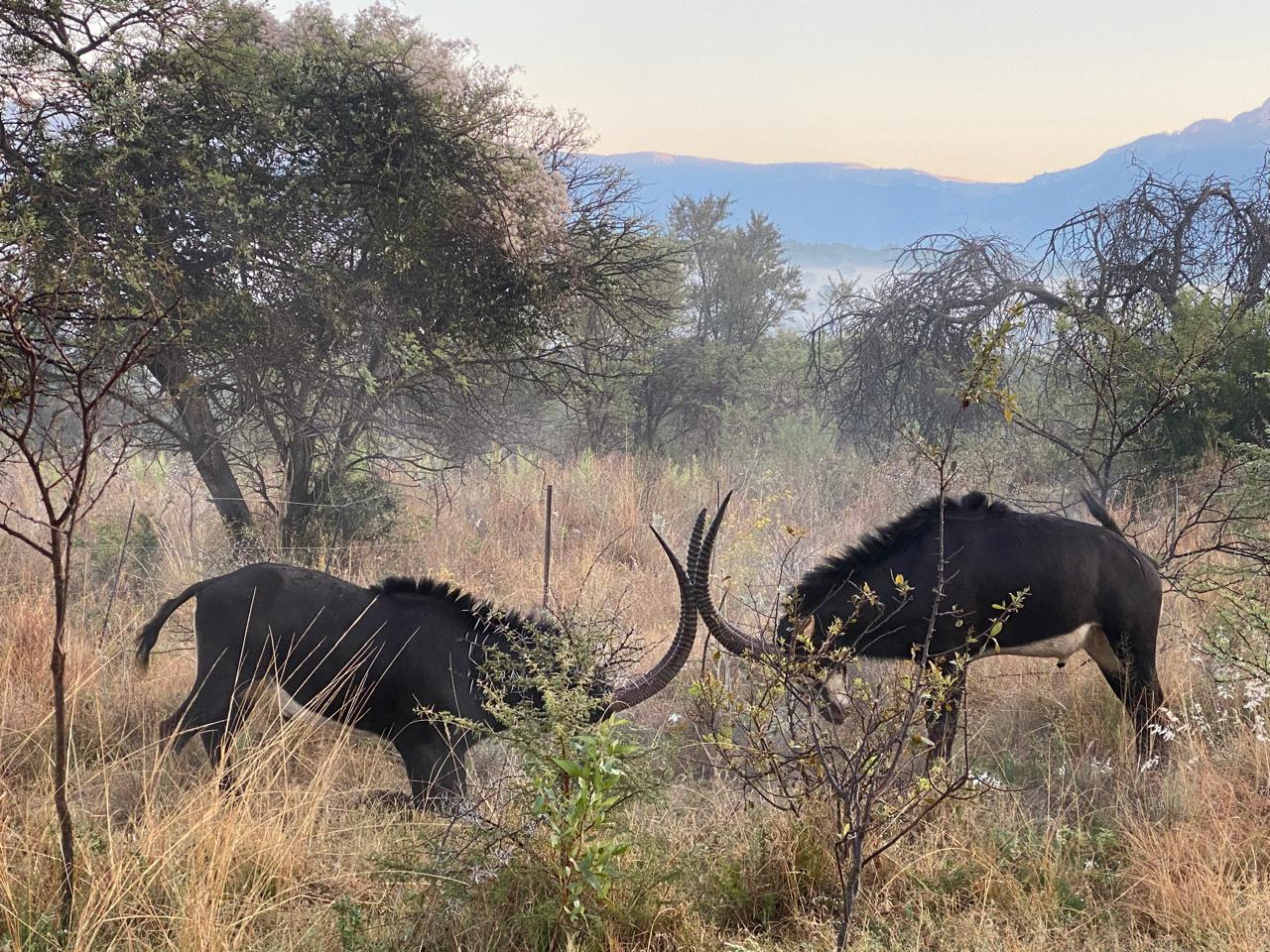
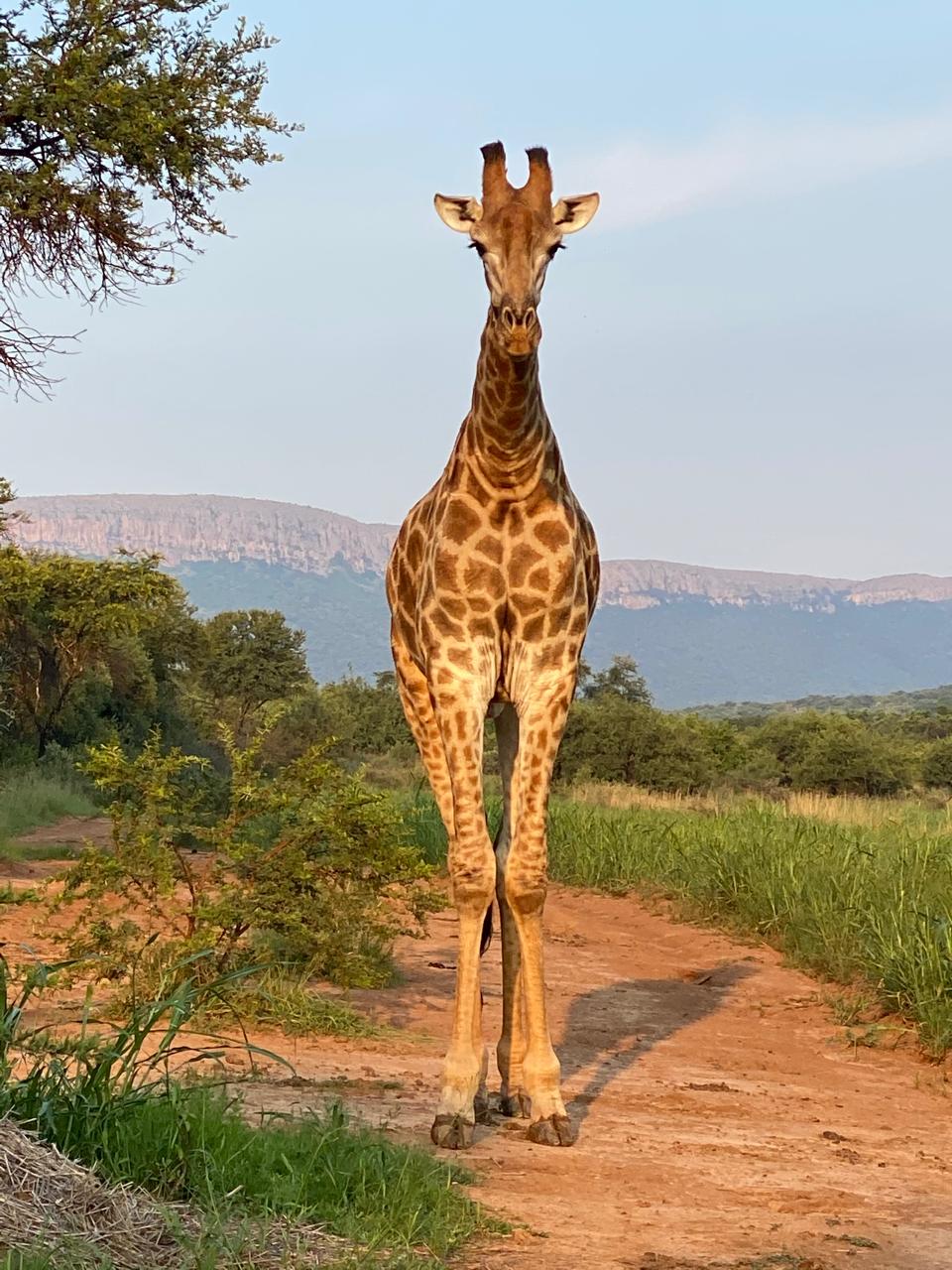
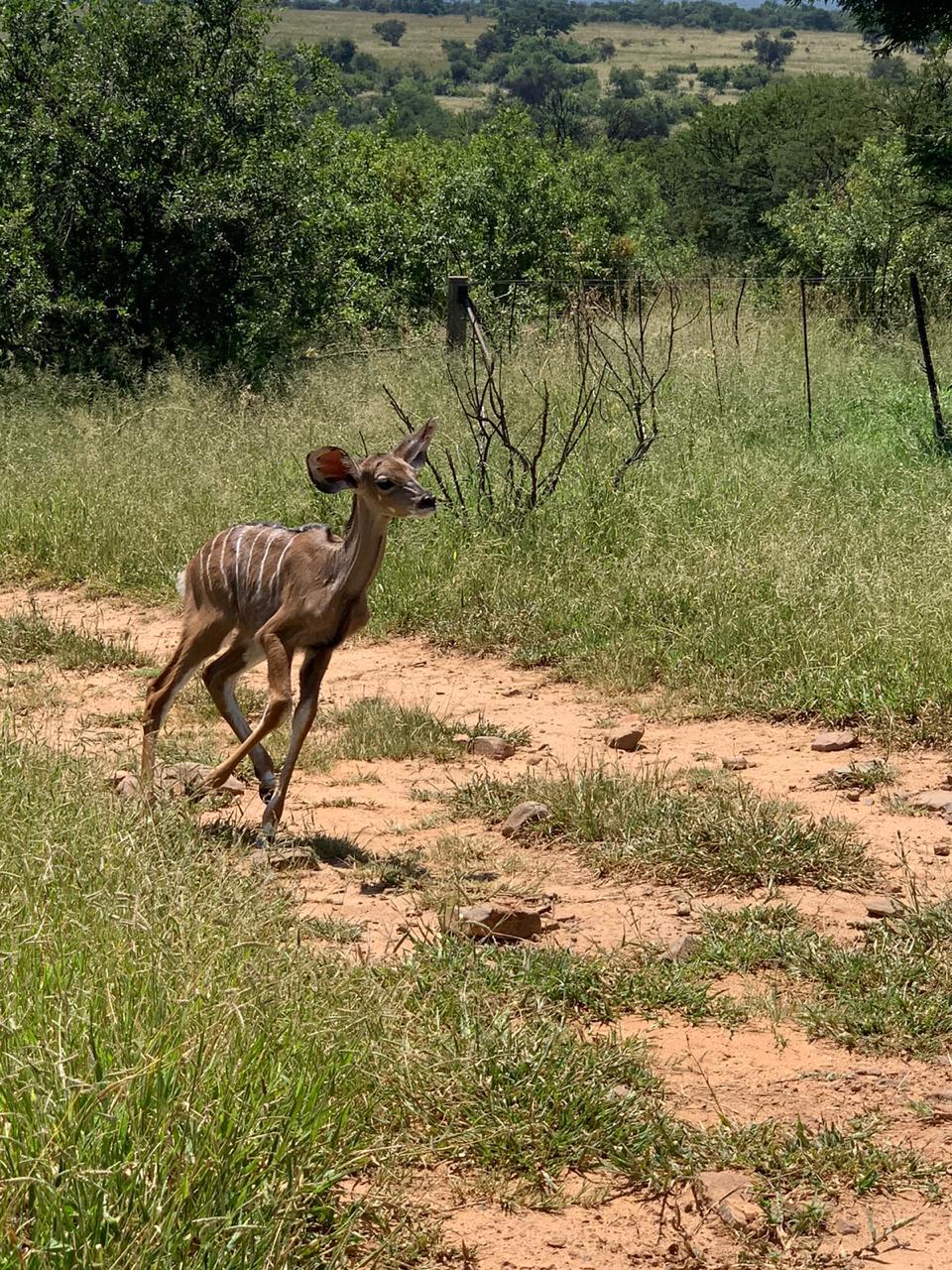
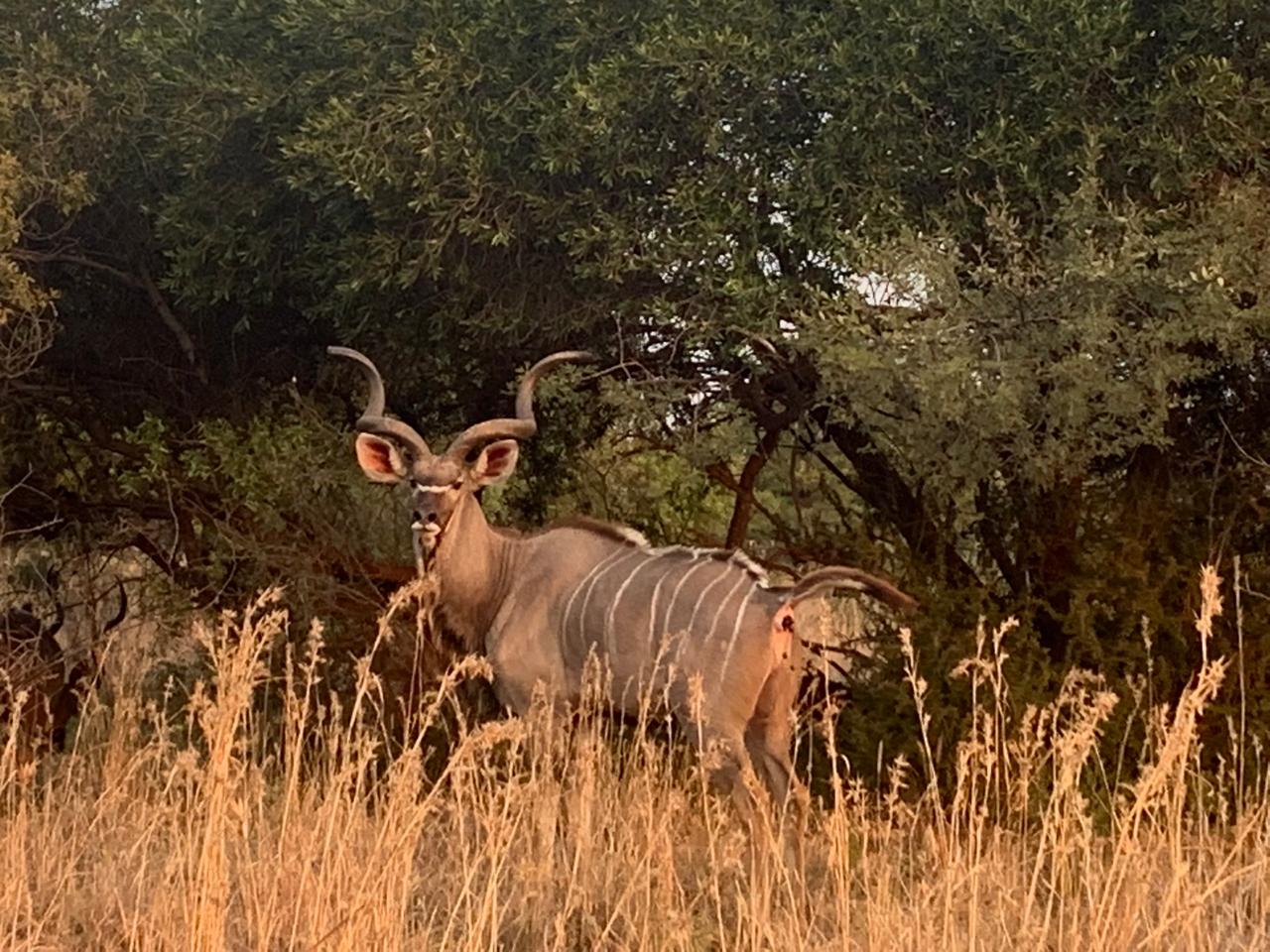
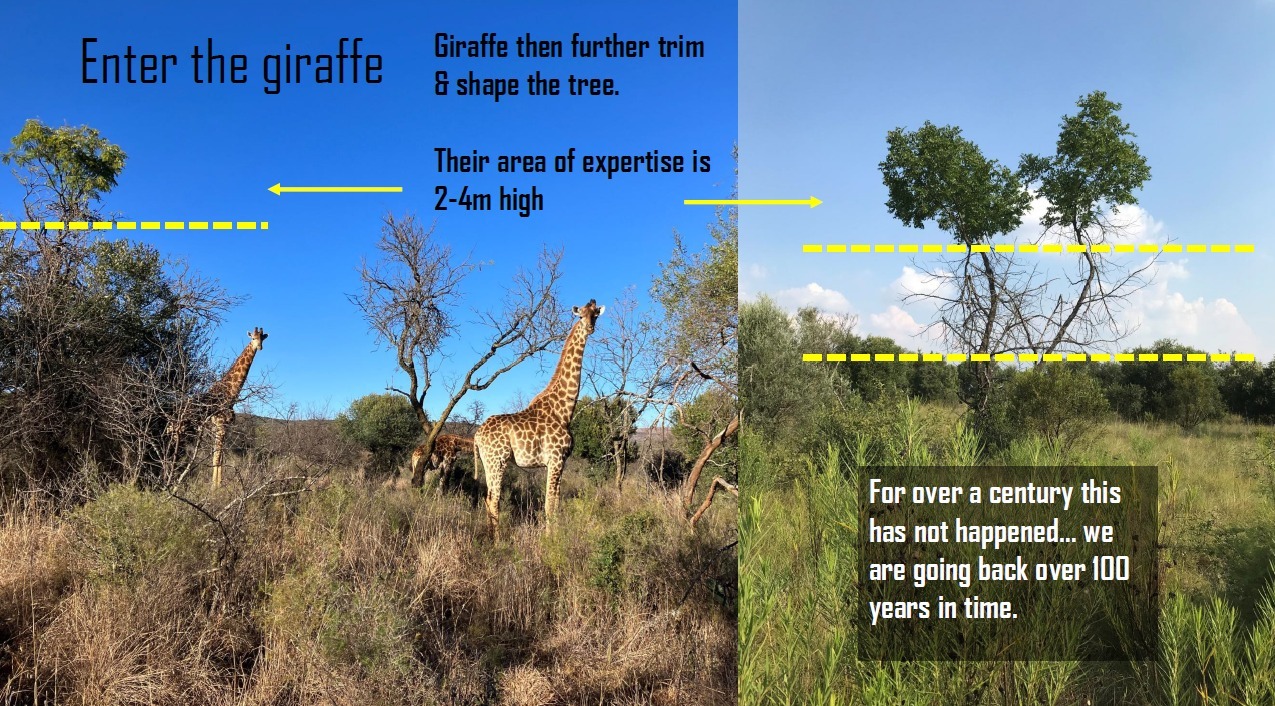
Alongside them, wildlife contributes a wider range of feeding habits. Grazers, browsers and mixed feeders use different parts of the vegetation, helping us manage the property as a more diverse landscape.
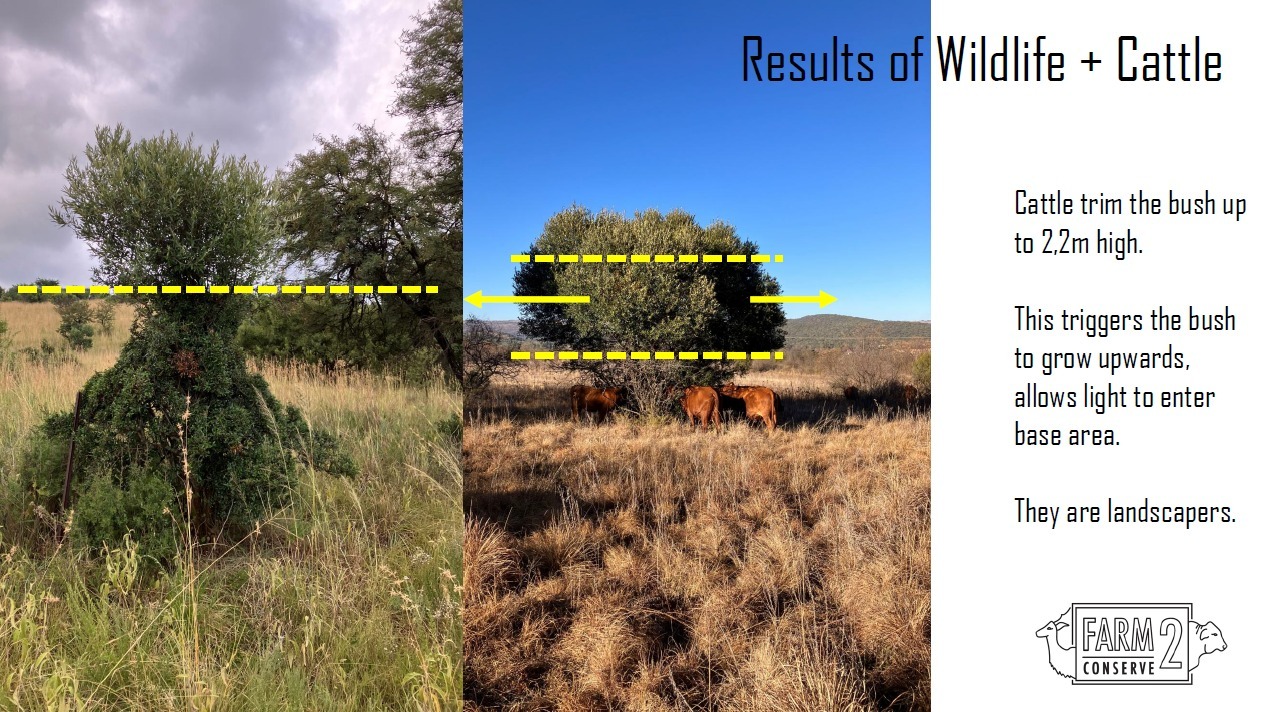
In this approach, cattle provide the concentrated, managed grazing component, while browsing wildlife helps utilise woody vegetation.
Our goal is not to remove every tree or turn the entire property into open grassland. It is to encourage a healthier balance between grass, shrubs and trees, suited to the different habitats on the farm.
Temporary fencing also reduces our reliance on permanent internal divisions. This gives us greater flexibility in positioning the cattle and creates fewer permanent obstacles for wildlife moving through the property.
Why this approach makes sense at Flintbeck
More deliberate use of the veld
Smaller grazing areas allow us to manage how the herd uses each section of the farm. Rather than leaving cattle in a large camp for an extended period, we can move them according to grazing availability and recovery needs.
Over time, we aim to improve both the productivity and resilience of the veld. Decisions about herd size must follow what the land can sustainably support.
Closer attention to animal health
Finding and inspecting cattle can take considerable time in dense bush, hills and valleys.
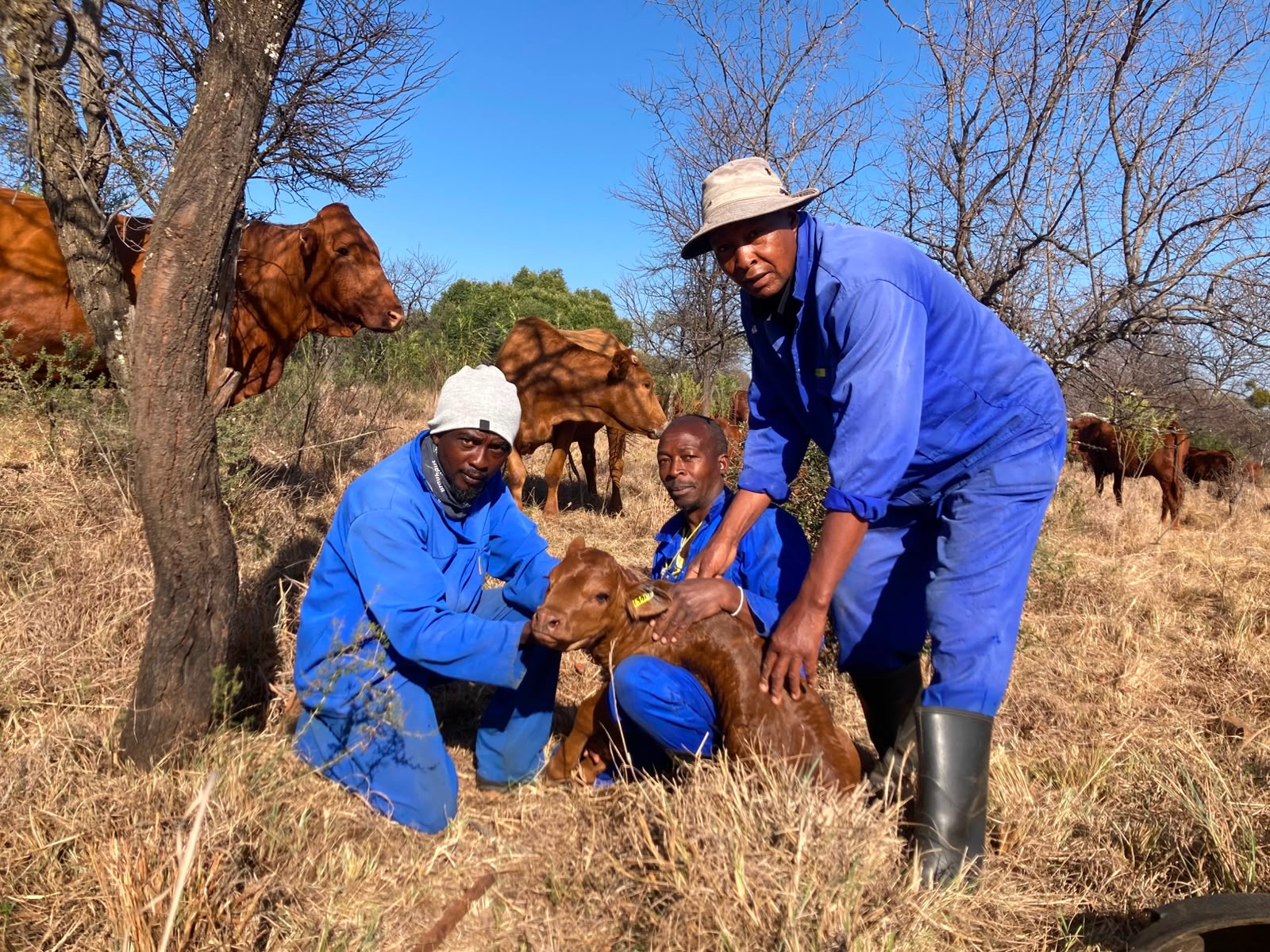
Keeping the herd together makes regular observation easier. It gives us more opportunities to identify injuries, changes in condition, tick burdens and signs of illness early, and to respond promptly.
Time previously spent searching for scattered animals can instead go towards herd care, grazing management and preparing the next grazing area.
Flexible infrastructure
Permanent internal fences require investment, maintenance and ongoing clearing.
Mobile electric fencing allows grazing areas to change as conditions and management priorities change. It also helps us direct cattle towards particular sections of the farm, including areas where reducing grass cover may support firebreak preparation.
A focus on natural resources
Rising fuel, electricity and input costs place increasing pressure on agriculture.
Our approach focuses on making effective use of the resources already available: sunlight, rainfall, natural grazing and animal activity. Where practical, we aim to reduce reliance on costly infrastructure and energy-intensive production methods.
Better oversight of the herd
Keeping cattle together also supports closer monitoring and security.
Monitoring collars can provide an additional layer of oversight by alerting us to unusual movement. Used alongside regular checks, they can help us investigate possible disturbances, predators or stock theft sooner.
Conservation that can sustain itself
Conservation needs a viable economic foundation.
At Flintbeck, cattle farming, tourism and hunting contribute to that foundation. Together, they help give the land an ongoing productive purpose and support the work required to manage it.
For landowners in this area, financial pressure can make subdivision and development increasingly attractive. Building viable rural enterprises offers another path: one that retains open landscapes, supports livelihoods and gives wildlife a place within a working farm.
We see conservation as an active responsibility—one that requires daily decisions, practical management and a long-term commitment to the land.
An approach that continues to evolve
The Halali method is a developing approach, shaped by experience and observation.
It can be introduced gradually and used alongside existing farming practices. As we learn more about how the veld and animals respond, we can adjust our management.
Our ambition is simple: to earn a living from the land while improving its condition and protecting its character for future generations.
Productive land. Healthy veld. A future for farming and wildlife.

Cattle farming on Flintbeck for the Schlotfeldt’s began in the 1950’s. The first cattle bought were transported from Omaruru Deutsch Sud West, now Namibia. Friedel and Lydia Schlotfeldt bought 10 Pinzgauer cattle from a cousin in Namibia. They farmed with cattle, peaches and chickens on the farm. Friedel was at that time still a blacksmith in Johannesburg, so Lydia was living on the farm doing the farming. With her soft but strong hands she worked every day to build up the farm.
In 1984 Callie and Heidi got married, that was when they took over the farming from Friedel and Lydia. They bought the farm and immediately concentrated on breeding cattle. Callie’s passion is cattle and genetics. Heide being a qualified nurse had to give up the city life and become part of Flintbeck farming. Callie and Heidi soon realised that one of them had to be on the farm permanently to manage the daily activities. Callie was a full time insurance broker and the bread winner, thus Heide gave up her career to manage the farm. Heide used her medical experience and applied it to cattle farming. Till today she is still the heart and soul of Flintbeck farm.
Callie and Heide bought “South Devon (Cattle race)” from Ecki Pape a well known local farmer in the area. Later on they decided to add Bonsmara cattle to the herd until finally the Pinzgauer and South Devon cattle cross formed the base of a registered Bonsmara cattle stud. Bonsmara is a South African cattle breed; it balances productivity with reliability in the veldt. This means the animal is tough enough to survive in the harsh African conditions whilst still being in high demand for its meat quality.
During the eighties there were severe droughts that nearly cost the Schlotfeldt’s the farm. Callie has always made a point of it to ensure that the farm is never over stocked. Since 1984 we have been breeding and selecting to ensure that only the best and most productive animals remain on the farm. We mainly sell our cattle to other breeders.
In 2014 we reduced the number of cattle to accommodate more game on the farm, this means that extreme selection needed to be implemented to select the best of the best; currently Flintbeck carries anything from 200-280 head of cattle on the farm. In order to keep the farm as productive as possible we now plant more supplementary grazing on the farm.
Bonsmara cattle on Flintbeck

Petrus and Isaac- They take care of the cattle daily

Cattle on the way to the “Kraal” with their calves

Christian-ploughing


